Food waste is a major challenge for restaurants of every size. Trimmings, imperfect produce, stale bread, excess herbs, and unused portions can quickly add up during preparation and service. Restaurant groups are responding by developing zero-waste kitchen programs that make better use of ingredients from delivery to dining room.
A zero-waste kitchen does not necessarily mean sending nothing to the trash. Instead, it focuses on preventing waste wherever possible, using ingredients efficiently, and finding responsible options for anything that cannot be served. For multi-location restaurant groups, these efforts can also create more consistent operations and inspire new menu ideas.
What Is a Zero-Waste Kitchen?
A zero-waste kitchen is designed to keep food, packaging, and other materials in use for as long as possible. The approach begins with careful purchasing and continues through preparation, storage, cooking, and service.
Restaurant teams may focus on several goals:
– Buying only what the kitchen can use
– Storing ingredients correctly to extend freshness
– Using more parts of each ingredient
– Repurposing safe surplus food
– Reducing single-use supplies
– Composting or recycling when reuse is not possible
For restaurant groups, the process often includes shared guidelines across locations. Each restaurant may have a different menu and customer base, but common systems can help employees follow the same waste-reduction principles.
Turning Trimmings Into Flavor
One of the simplest ways to reduce waste is to use more of each ingredient. Many items that are commonly discarded can add flavor, color, or texture when handled properly.
Vegetable Scraps
Vegetable peels, stems, leaves, and cores can have several uses. Carrot peels, onion ends, celery leaves, and herb stems can be collected for stocks and broths. Broccoli stems can be peeled and sliced for slaws, stir-fries, or roasted vegetable dishes.
Cauliflower leaves can be roasted or sautéed, while beet greens can be used like other leafy vegetables. Potato peels may be baked into a crisp garnish when food safety and kitchen procedures allow.
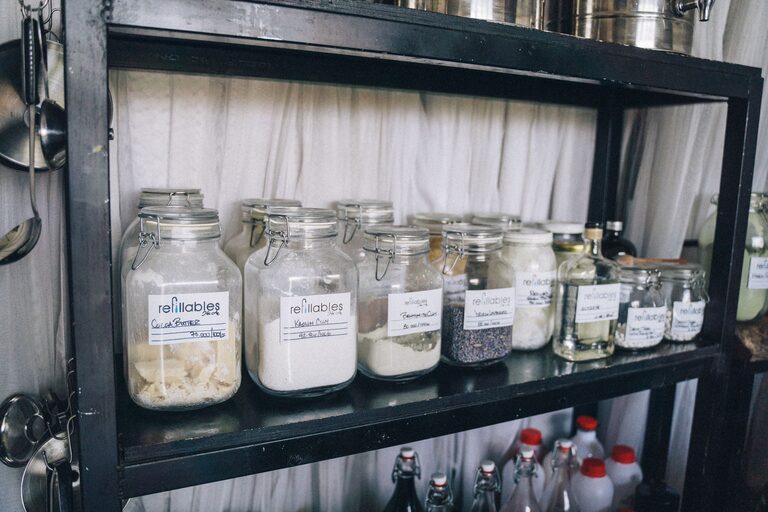
These practices work best when ingredients are sorted during preparation. Clearly labeled containers can help staff separate usable trimmings from material that should be discarded or composted.
Citrus Peels and Fruit Parts
Citrus peels are useful for more than decoration. Kitchens can use them to infuse syrups, flavor sauces, prepare candied garnishes, or add aroma to baked goods. Lemon and orange peels may also be dried and ground into seasoning blends.
Pineapple cores can be blended into sauces or used to add flavor to beverages. Apple peels and cores can contribute to syrups, chutneys, or fruit-based desserts. The key is to match each part with a suitable recipe and handle it according to the restaurant’s food safety standards.
Herb Stems
Soft herb stems often contain the same flavor as the leaves. Parsley, cilantro, mint, and dill stems can be blended into sauces, folded into dressings, or used in stocks. A kitchen may also combine herb stems with oil to create a finishing drizzle or base for marinades.
Using stems can reduce the need to purchase additional herbs for sauces and garnishes. It also encourages cooks to think of ingredients as complete components rather than isolated parts.
Creative Uses for Surplus Food
Food that is safe but unlikely to sell in its original form can often be redesigned into another menu item. Restaurant groups are using this strategy to turn excess inventory into specials, prepared foods, and staff meals.
Bread
Day-old bread can be transformed into croutons, breadcrumbs, toast toppings, bread pudding, or thickening agents for soups and sauces. Some restaurants use surplus bread in savory dishes such as panzanella or stuffing-inspired side dishes.
A consistent process helps prevent quality problems. Bread should be inspected, stored properly, and assigned to specific recipes before it becomes too dry or loses its appeal.
Cooked Grains and Pasta
Extra rice, grains, and pasta can be used in salads, soups, fritters, casseroles, or staff meals. A restaurant group may create rotating specials based on the ingredients available at each location.
This approach can add variety to the menu while helping kitchens avoid preparing more food than needed. Portion planning remains important, since repurposing should not become an excuse for overproduction.
Produce That Is Past Its Peak
Produce with minor cosmetic flaws may still be suitable for cooking. Soft tomatoes can become sauces, soups, or spreads. Ripe bananas can be used in desserts or baked goods. Berries that are no longer ideal for display can be cooked into compotes or blended into beverages.
Restaurant teams should separate ingredients that are simply imperfect from those that are no longer safe to use. Clear freshness guidelines and regular staff training help employees make consistent decisions.
Designing Menus Around the Whole Ingredient
Some restaurant groups are taking waste reduction a step further by planning menus around whole ingredients from the beginning. Instead of treating trimmings as an afterthought, chefs design dishes that use multiple parts of a product.
A menu might feature:
– Roasted root vegetables with leafy tops used in pesto
– A whole-fish program that includes stocks and sauces
– Chicken dishes supported by house-made broth
– Seasonal fruit desserts with peel-based syrups
– A vegetable entrée served with a sauce made from stems and leaves
This approach can make a restaurant’s menu more distinctive. It also gives chefs a practical reason to understand how ingredients move through the kitchen.
Shared Systems Across Restaurant Groups
Multi-location restaurant groups have an advantage when testing waste-reduction ideas. A successful process at one location can be adapted across several kitchens.
Common tools include:
Waste Tracking
Teams can record what is being discarded, when it happens, and why. Waste may come from overproduction, spoilage, preparation, or customer leftovers. Tracking these patterns helps managers focus on the largest opportunities instead of making random changes.
Prep Guides
Detailed preparation guides can show employees which parts of an ingredient should be saved and how they should be stored. Photos, labels, and simple instructions are useful for busy kitchen teams.
Flexible Specials
Daily or weekly specials can help kitchens use surplus ingredients without changing the core menu. These items should still meet the restaurant’s quality standards and be clearly communicated to front-of-house staff.
Staff Training
Employees are more likely to follow a zero-waste program when they understand its purpose and practical benefits. Training can include demonstrations, storage instructions, recipe ideas, and clear food safety procedures.
Making Waste Reduction Part of the Guest Experience
Restaurants can share their zero-waste efforts with guests through menu descriptions, staff recommendations, or behind-the-scenes content. A short explanation of how a dish uses vegetable leaves, house-made stock, or surplus bread can make the meal more memorable.
The message should remain clear and specific. Instead of making broad claims, restaurants can describe the action itself: “Our herb-stem pesto uses the full bunch,” or “This soup is made with a daily stock from vegetable trimmings.”
Some groups also offer workshops, tasting menus, or seasonal events that highlight creative ingredient uses. These experiences can introduce diners to techniques they may want to try at home.
The Next Stage of Zero-Waste Kitchens
Zero-waste cooking is becoming less about a single recipe and more about how a restaurant operates. Purchasing, menu planning, staff training, storage, and guest communication all play a role.
Restaurant groups that succeed with these programs tend to start with manageable changes. They may begin by tracking bread waste, saving herb stems, or improving inventory rotation. Over time, those small steps can become standard kitchen practices.
The most effective approach combines creativity with organization. When teams plan carefully and treat ingredients as valuable from the start, overlooked parts can become sauces, garnishes, side dishes, and even signature menu items. For restaurants, reducing waste is not only an operational goal—it can also be a source of flavor, innovation, and a stronger connection with guests.
About the Author