A New Approach to Culinary Education
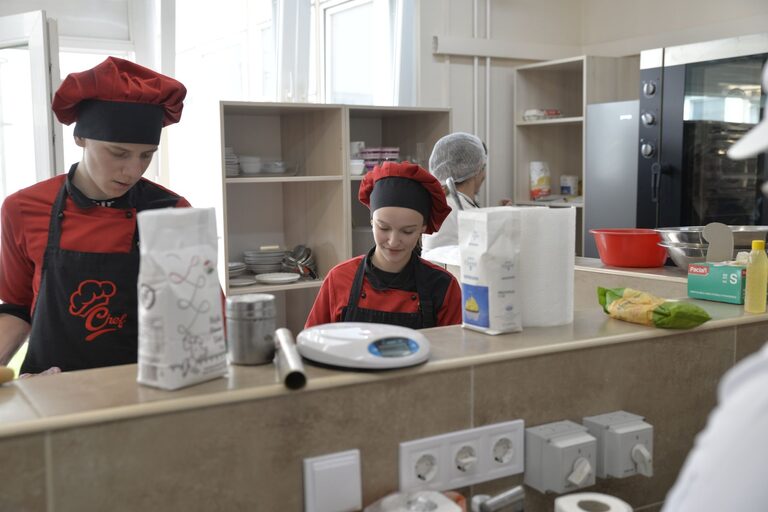
Culinary schools have long taught students the foundations of cooking, from knife skills and sauces to baking, food safety, and kitchen management. Now, many programs are expanding that traditional model by placing regional ingredients and food traditions at the heart of the curriculum.
These programs encourage students to look beyond standard recipes and explore how food is shaped by geography, climate, history, and community. Instead of treating local ingredients as occasional specialties, schools are using them as a starting point for developing practical skills and creative thinking.
The result is a more connected approach to culinary education. Students learn not only how to prepare a dish, but also where its ingredients come from, how they are produced, and why certain cooking methods matter to the people who use them.
Learning From Local Ingredients
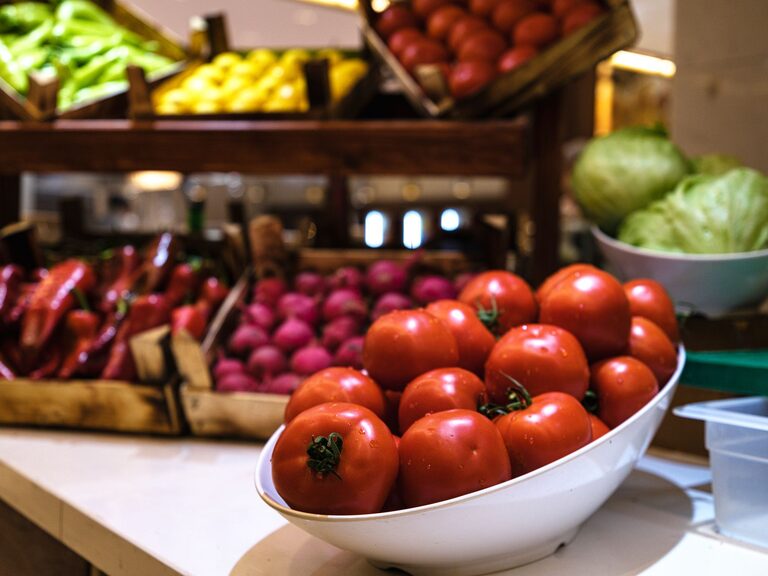
A key feature of these programs is hands-on work with ingredients sourced from nearby farms, fisheries, gardens, forests, and food producers. Depending on the region, students may work with heirloom grains, native herbs, seasonal fruits, local seafood, heritage livestock, or specialty vegetables.
Working with regional ingredients helps students develop several important skills:
– Identifying ingredients at their peak of freshness
– Adjusting recipes according to seasonal availability
– Understanding how storage and preservation affect flavor
– Building relationships with farmers and food producers
– Reducing waste by using more parts of each ingredient
– Creating menus that reflect a specific place
Seasonality is especially important. Students may learn that a certain ingredient is available for only a few weeks or that its flavor changes throughout the growing season. This encourages flexibility and helps future chefs design menus that respond to what is actually available.
Rather than relying on a fixed list of ingredients throughout the year, students learn to treat the kitchen as part of a larger food system.
Preserving Food Traditions
Regional food traditions often include more than well-known dishes. They may involve preparation methods, celebrations, family customs, preservation techniques, and ways of sharing meals.
New culinary programs are giving students opportunities to study these traditions through research, demonstrations, and community partnerships. They may interview local cooks, visit cultural centers, or learn directly from people who have prepared a dish for generations.
This work can cover techniques such as:
– Fermentation and pickling
– Smoking and drying
– Hand-shaped pasta and breads
– Traditional baking methods
– Stone milling and grain preparation
– Open-fire cooking
– Seasonal preserving
– Regional spice and herb blends
The goal is not simply to copy an old recipe. Students are encouraged to understand the purpose behind a technique and the role it plays in local food culture. That knowledge can help them approach traditional foods with care while still developing their own style.
Combining Tradition With Modern Skills
Although these programs focus on heritage and local knowledge, they are not limited to historical cooking. Students also learn how to apply modern culinary tools and professional practices.
A traditional recipe might be prepared using contemporary kitchen equipment, or an old preservation method might inspire a new menu item. Students can explore how to improve consistency, presentation, storage, and service without removing the character of the original food.
For example, a class may study a regional stew and then examine how the dish could be adapted for a restaurant menu. Students might consider portion size, ingredient availability, preparation time, food costs, and customer expectations.
This combination of old and new encourages thoughtful innovation. It shows students that culinary creativity does not always require unfamiliar ingredients or complex techniques. Sometimes, a fresh idea can come from looking more closely at a familiar food.
Partnerships With Farmers and Communities
Many schools are building partnerships with local growers, producers, restaurants, and cultural organizations. These relationships give students a broader view of the culinary profession and create opportunities for learning outside the classroom.
A farm visit may teach students how weather affects crops, while a visit to a small food producer may show them how ingredients are processed and packaged. Restaurant partnerships can help students understand how regional products are used in busy professional kitchens.
Community connections can also lead to special projects, including:
– Seasonal tasting events
– Student-created regional menus
– Workshops led by local food experts
– Ingredient research projects
– Community recipe collections
– Pop-up dinners featuring local products
These activities help students practice communication, teamwork, planning, and service. They also allow schools to share their work with the public and highlight the value of regional food knowledge.
Supporting Responsible Kitchen Practices
A focus on regional ingredients can also introduce students to practical ways of managing resources. When chefs understand where ingredients come from and how much work goes into producing them, they may become more careful about purchasing, preparation, and waste.
In the classroom, students may learn to:
– Plan menus around available ingredients
– Use vegetable trimmings in stocks and sauces
– Preserve surplus produce
– Track food waste
– Choose suitable portions
– Store ingredients correctly
– Coordinate menus with local suppliers
These practices can benefit both the kitchen and the wider food community. They help students see that responsible cooking is not a separate subject but part of everyday professional work.
The approach also encourages students to think about value. A lesser-known cut of meat, an imperfect vegetable, or an overlooked grain may become an important ingredient when handled with skill and care.
Preparing Students for a Changing Food Industry
The food industry continues to evolve, and employers are looking for cooks who can do more than follow instructions. They need professionals who can adapt menus, communicate with suppliers, understand ingredients, and respond to customer interest.
Regional culinary programs help build these abilities by giving students a deeper connection to the food they prepare. Students learn how to research an ingredient, explain its background, and use it in a way that respects both tradition and the needs of a modern kitchen.
This knowledge can lead to a variety of career paths, including work in restaurants, bakeries, hotels, catering companies, food businesses, farms, test kitchens, and culinary education. Some graduates may also use their training to develop community food projects or small businesses centered on local products.
What Students Can Expect
Students considering one of these programs should look for a curriculum that balances classic technique with regional study. Useful questions include:
– Does the program work with local farms or producers?
– Are students taught seasonal menu planning?
– Does the curriculum include food history or cultural research?
– Are preservation and traditional methods part of the training?
– Do students have opportunities to cook for the public?
– How much time is spent in practical kitchen work?
– Does the school support responsible sourcing and waste reduction?
The best program will depend on each student’s goals. Some may prefer a strong focus on restaurant cooking, while others may be more interested in baking, food production, hospitality, or community-based culinary work.
A Broader Definition of Culinary Skill
The growing interest in regional ingredients and food traditions reflects a broader understanding of what it means to be a skilled cook. Technical ability remains essential, but it is only one part of the craft.
A well-trained culinary professional also understands ingredients, respects food traditions, communicates clearly, and knows how a dish connects to the people and place behind it. New culinary school programs are helping students develop all of these skills together.
By bringing local products and community knowledge into the classroom, these programs create a richer learning experience. They prepare students to cook with greater awareness, adapt to changing conditions, and contribute thoughtfully to the future of food.
About the Author