For a historic restaurant, an anniversary is more than a date on the calendar. It is a chance to celebrate the people, recipes, and shared memories that have shaped the dining room over the years.
Many long-running restaurants are marking milestone anniversaries with signature dish events. These celebrations bring longtime customers and new guests together around the meals that helped define the restaurant’s identity. From a classic pie served the same way for generations to a house sauce known across the community, these dishes offer a flavorful connection to the past.
Why Signature Dishes Matter
Every established restaurant has a story, and that story is often told through food. A signature dish may have been created by the founder, inspired by a family recipe, or developed in response to what local customers loved most.
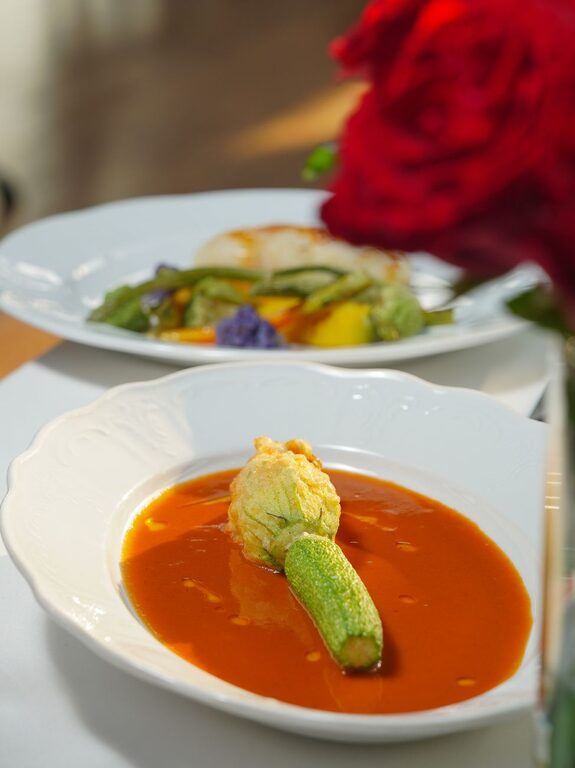
Over time, the dish becomes part of the restaurant’s character. Guests may associate it with birthdays, family dinners, first dates, or regular weekend visits. Even small details, such as the serving plate or a familiar garnish, can bring back meaningful memories.
Signature dishes also help restaurants stand out. Menus change as tastes and ingredients evolve, but a popular classic gives diners something recognizable to return to. During an anniversary event, that familiar dish becomes the centerpiece of a much larger celebration.
What an Anniversary Dish Event Looks Like
There is no single format for a signature dish event. Restaurants often design celebrations around their history, space, and customer base. Common approaches include:
– A limited-time menu featuring classic dishes
– A special dinner with multiple courses inspired by the restaurant’s past
– A demonstration led by the chef or a longtime kitchen team member
– A tasting menu that shows how a recipe has changed over time
– A family-style gathering with large portions for the table
– A community open house with samples, photographs, and storytelling
– A collaboration between current chefs and former staff members
Some restaurants serve one signature dish throughout the celebration, while others create a series of events over several weeks. A monthlong anniversary menu can give more guests the opportunity to participate without changing the restaurant’s regular schedule too dramatically.
Bringing the Past to the Table
The most engaging celebrations do more than serve an old recipe. They explain why the dish matters.
Menus may include short notes about the recipe’s origins, the person who first prepared it, or the ingredients that have remained consistent. Old photographs, handwritten recipes, and newspaper clippings can add context without taking attention away from the food.
Restaurants may also invite longtime customers to share memories. A guest who has been visiting for decades might remember when the signature dish was served in a different dining room or prepared by a previous generation of cooks. These personal stories add warmth and make the anniversary feel like a community occasion.
Recipes That Adapt Over Time
Keeping a dish recognizable does not always mean preparing it exactly as it was decades ago. Restaurants often adjust recipes to match changes in ingredient availability, kitchen equipment, or customer preferences.
A dish may use a new local supplier while keeping the same basic preparation. A sauce might be made in smaller batches for better consistency. Presentation may become more refined, even as the flavor remains familiar.
These changes can be part of the story. An anniversary event may show guests an earlier version of the dish alongside the current one, highlighting what has stayed the same and what has evolved.
A Chance to Celebrate Restaurant Teams
A milestone anniversary also recognizes the people behind the dining experience. Restaurant employees often carry traditions from one generation to the next, especially in kitchens where methods are taught through hands-on experience.
Chefs, servers, hosts, dishwashers, managers, and owners all contribute to a restaurant’s longevity. Some anniversary events bring former employees back for a special service or invite them to take part in a conversation about the restaurant’s history.
This focus on the team can make the celebration more personal. Guests may learn who perfected a popular recipe, who remembered regular customers’ usual orders, or who helped the restaurant through a major change. These details reveal the daily work behind a familiar local institution.
How Guests Can Make the Most of the Celebration
For diners, an anniversary event offers more than a chance to order a favorite meal. A little planning can make the visit more enjoyable.
Check the Event Details
Special menus may be available only on certain dates or during specific seating times. Guests should check whether reservations are required, whether the regular menu will also be offered, and whether portions or service styles differ from a typical visit.
Ask About the Dish
Servers and chefs are often happy to explain the history of a signature item. Guests can ask when it was introduced, whether the recipe has changed, or which ingredients make it distinctive.
Explore the Restaurant’s History
If photographs, menus, or displays are available, take time to look at them. These materials can help connect the meal to the people and places that came before.
Share the Experience
Anniversary events are ideal for gathering with family and friends. Guests can compare memories, try dishes they have never ordered, and talk about their own connections to the restaurant.
Supporting Local Food Traditions
Historic restaurants are part of a community’s cultural landscape. They provide familiar meeting places while preserving recipes and customs that might otherwise disappear.
Anniversary events can also support nearby producers and small businesses. Restaurants may feature local farms, bakeries, fisheries, breweries, or specialty food makers that have supplied ingredients over the years. This creates a broader celebration of the local food network.
For newer diners, these events offer an accessible introduction to the restaurant’s legacy. For longtime customers, they provide a reason to revisit a place that has been part of their lives.
Looking Ahead to the Next Milestone
A milestone anniversary naturally looks backward, but it can also point toward the future. Restaurants may use the occasion to introduce a new chef, announce a refreshed dining space, or share plans for future events.
The strongest celebrations balance continuity with change. They honor the signature dishes that built a loyal following while leaving room for new ideas and new generations of guests.
A restaurant’s history is not preserved only in photographs or old menus. It lives in the recipes that continue to be prepared, the stories guests retell, and the welcome offered at every table. By celebrating signature dishes, historic restaurants turn an anniversary into a shared experience—one that connects the past, present, and future through food.
About the Author