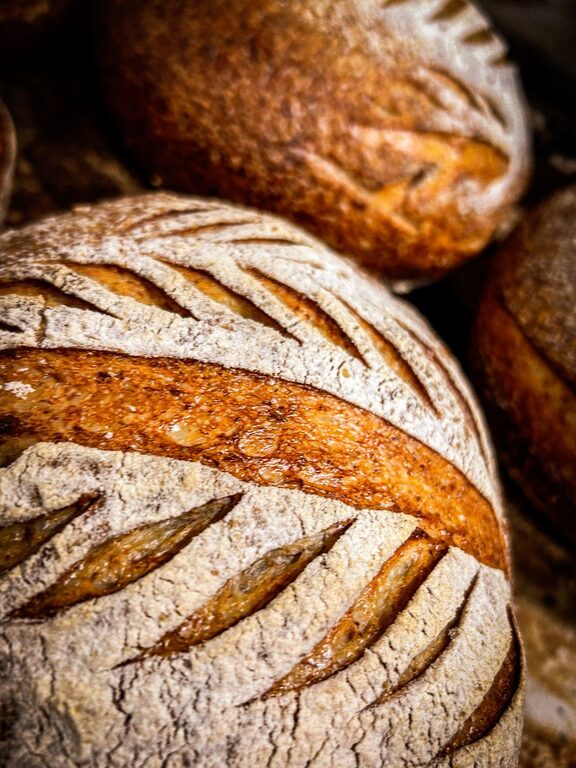
Independent bakeries are giving heritage grains a fresh place in the bread aisle. These older wheat varieties, along with grains such as rye, spelt, and einkorn, are appearing in naturally leavened loaves that emphasize flavor, texture, and traditional baking methods.
The trend reflects growing interest in where food comes from and how it is made. For many bakers, heritage grains offer a way to work more closely with farmers, highlight regional ingredients, and create breads with character.
What Are Heritage Grains?
Heritage grains are older grain varieties that have been grown for generations but are less common in modern commercial farming. Some are traditional forms of wheat, while others are related grains that have long been used in regional baking.
Examples include:
– Einkorn
– Emmer
– Spelt
– Sonora wheat
– Red Fife
– Turkey Red wheat
– Rye
The term “heritage grain” does not always have one strict definition. In general, it refers to grains valued for their history, distinctive qualities, or connection to a particular place. Some varieties may be grown by small farms, while others are being reintroduced through seed-saving and regional agriculture projects.
Heritage grains are different from ancient grains, although the terms are sometimes used together. “Ancient grain” is often used as a broad food label, while “heritage grain” usually places more emphasis on older cultivated varieties and farming traditions.
Why Sourdough Works Well With These Grains
Sourdough is made with a fermented starter containing flour, water, and naturally occurring microorganisms. The starter helps the dough rise and contributes to the bread’s flavor.
The long fermentation used in many sourdough recipes gives bakers time to develop the dough’s structure and aroma. This can be especially useful when working with heritage grains, which may behave differently from the strong, highly standardized wheat flours often used in commercial bread production.
Heritage grain sourdough loaves may offer:
– A more varied flavor profile
– A moist or pleasantly chewy crumb
– A crisp, deeply colored crust
– Nutty, earthy, or lightly sweet notes
– A stronger connection to regional ingredients
These qualities depend on the grain variety, milling method, hydration, fermentation schedule, and baking technique. Two loaves made with the same type of wheat can taste quite different when produced by different bakeries.
Flavor Takes Center Stage
One reason these loaves are gaining attention is their flavor. Many heritage grain breads have a fuller taste than standard white bread, with notes that can range from toasted grain and nuts to caramel, fruit, or mild spice.
The flavor is not always sharply sour. A skilled baker can adjust the fermentation time and temperature to create a loaf that is tangy, mild, complex, or slightly sweet.
Fresh milling can also influence the final result. Flour made from recently milled grain may bring a stronger aroma and more pronounced flavor. Some bakeries mill part or all of their flour on site, while others work with regional mills that specialize in small-batch grains.
The Role of Independent Bakeries
Independent bakeries are well positioned to experiment with heritage grains. Unlike large-scale producers, they often make smaller batches and can change their menus more frequently.
A bakery might offer a rotating loaf made with a different variety each week. It may also use heritage grains in familiar styles, such as country sourdough, sandwich bread, baguettes, rolls, or seeded loaves.
Many independent bakers are also building direct relationships with farmers and millers. These partnerships can help bakeries learn more about how a grain was grown, stored, and milled. In turn, customers receive more information about the bread they are buying.
This focus on ingredient transparency can make the bakery experience more educational. Staff may be able to explain the grain’s origin, the percentage used in the dough, and the best way to serve or store the loaf.
A Connection to Local Agriculture
Heritage grains can support a more regional approach to baking. When bakeries buy from nearby farms or mills, they help create demand for crops that may not be widely used in large commercial supply chains.
Growing a wider range of grains can also add variety to local agriculture. Some farmers choose heritage varieties because they are interested in preserving seed diversity, testing different growing methods, or producing grains suited to their climate.
The relationship is not always simple. Heritage grains can have lower yields, require special harvesting equipment, or present challenges during milling and baking. Weather, soil, storage, and access to processing facilities can also affect availability.
For these reasons, a loaf made with local heritage grain may cost more than a conventional loaf. The price can reflect smaller production volumes, specialized milling, longer preparation times, and the work involved in maintaining a regional supply chain.
What Bakers Need to Consider
Working with heritage grains requires flexibility. Flour made from these varieties can absorb water differently and may produce a dough that is softer or less elastic than expected.
Bakers may need to adjust:
– Mixing time
– Water levels
– Fermentation length
– Dough temperature
– Shaping methods
– Baking temperature
Some heritage grain flours are used on their own, while others are blended with modern bread flour. A blend can provide the flavor of the heritage variety while giving the dough additional structure.
Whole grain versions also contain more of the grain’s outer layers and germ. These parts add flavor and texture but can make dough more demanding to handle. Bakers often test several formulas before settling on a recipe that produces a consistent loaf.
How to Choose a Heritage Grain Loaf
Customers do not need to be bread experts to explore this style of baking. A few simple questions can help:
- **Ask what grain is used.** The bakery may feature one variety or a blend.
- **Check whether the flour is whole grain.** This affects flavor, texture, and appearance.
- **Learn where the grain came from.** Some loaves use regional grain, while others rely on imported varieties.
- **Ask about fermentation time.** Longer fermentation is common, but methods vary.
- **Choose a size that fits your routine.** Dense, rustic loaves can stay fresh longer when stored properly, but they are best enjoyed within a few days.
A good first choice is often a loaf made with a blend of heritage and familiar wheat. This can provide a balanced texture while introducing new flavors.
Serving and Storing the Bread
Heritage grain sourdough can be enjoyed in simple ways. Thick slices pair well with soups, roasted vegetables, eggs, cheese, or spreads. Toasting can bring out the loaf’s nutty and caramelized notes.
To store the bread, keep it cut-side down on a board or place it in a breathable bread bag. Sealing a crusty loaf in plastic immediately can soften the crust. For longer storage, slice the loaf and freeze it in an airtight container or freezer bag. Individual slices can be toasted directly from frozen.
A Traditional Idea With Modern Appeal
Heritage grain sourdough sits at the meeting point of old and new. The grains may have long histories, but independent bakeries are using them in creative ways that suit modern tastes and local food systems.
As more bakeries collaborate with farmers and mills, customers have more opportunities to compare varieties, discover regional flavors, and understand the work behind a loaf of bread. For anyone interested in baking or supporting small food businesses, a heritage grain sourdough loaf offers a flavorful place to start.
About the Author