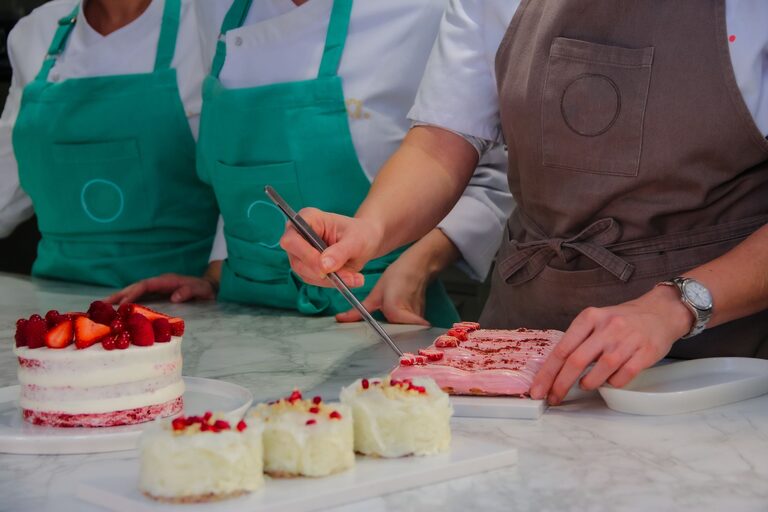
The latest baking competition offered more than a display of technical skill. It also gave pastry chefs a chance to explore new flavors, textures, and presentation styles. Across the competition kitchen, familiar desserts were reimagined with lighter ingredients, unexpected combinations, and thoughtful decoration.
While classic cakes, tarts, and pastries remained popular, this year’s entries showed that modern desserts are becoming more balanced and versatile. Chefs focused on creating sweets that look impressive without feeling overly heavy, while also finding new ways to highlight seasonal ingredients.
Here are some of the most noticeable dessert trends revealed during the competition.
1. Lighter Desserts With Plenty of Flavor
One of the strongest trends was the move toward lighter desserts. Instead of relying on thick frosting or rich fillings, many competitors used whipped creams, fruit gels, airy mousses, and delicate sponge cakes.
This approach allowed chefs to build desserts with several layers of flavor while keeping the final result fresh and easy to enjoy. Citrus, berries, stone fruits, and herbs were often used to add brightness.
Popular combinations included:
– Lemon with blueberry
– Raspberry with rose
– Peach with basil
– Orange with dark chocolate
– Apple with brown butter
These pairings provided a contrast between sweet, tangy, creamy, and fragrant elements. The result was a dessert that felt detailed without being overwhelming.
Why This Trend Matters
Lighter desserts are appealing because they work well after a full meal and can be adapted for different seasons. They also give pastry chefs more room to show technical skill through texture and layering rather than relying only on decoration.
2. Familiar Flavors With a Modern Twist
Classic flavors continued to appear throughout the competition, but chefs presented them in new ways. Traditional combinations such as chocolate and vanilla, strawberry and cream, or apple and cinnamon were transformed through updated shapes and textures.
For example, a simple chocolate dessert might include:
– A crisp cocoa base
– A soft chocolate cake
– A layer of fruit jam
– A smooth chocolate mousse
– A light glaze
This type of construction keeps the flavor familiar while creating a more interesting eating experience. Several competitors also used classic recipes as inspiration rather than following them exactly.
A traditional apple pie might become a refined tart with thinly sliced fruit, a spiced pastry cream, and a crunchy oat topping. A vanilla cake might be paired with roasted fruit and a lightly salted cream.
The message was clear: familiar does not have to mean ordinary.
3. More Attention to Texture
Texture played a major role in this year’s entries. Judges and viewers saw desserts that combined crisp, soft, chewy, creamy, and airy elements in a single serving.
This trend reflects a growing interest in how a dessert feels as it is eaten. A smooth mousse becomes more memorable when paired with a crunchy base. A tender cake can stand out when finished with toasted nuts or a thin caramel layer.
Many chefs used ingredients such as:
– Praline
– Meringue
– Caramelized nuts
– Crisp pastry
– Toasted grains
– Puffed rice
– Chocolate shards
These elements added contrast without taking attention away from the main flavors. They also allowed chefs to create more structure and visual interest on the plate.
4. Seasonal and Local Ingredients
Seasonal ingredients were another common feature. Competitors used produce at its peak to bring natural flavor and color to their desserts.
Depending on the recipe, chefs highlighted ingredients such as berries, pears, apples, pumpkins, citrus, and stone fruits. Some also used fresh herbs, edible flowers, local honey, and regional nuts.
Using seasonal ingredients offers several advantages. Fresh produce can provide stronger flavor, while changing the menu throughout the year keeps desserts exciting. It can also inspire chefs to create recipes that reflect a particular place or time of year.
Rather than hiding fruit beneath heavy layers, many competitors made it the focus of the dessert. Roasted pears, fresh strawberries, and grilled peaches were presented as important components instead of simple garnishes.
5. Creative Uses of Chocolate
Chocolate remained a favorite ingredient, but competitors used it with greater variety. Dark, milk, and white chocolate appeared in cakes, creams, sauces, decorations, and frozen desserts.
A notable approach was the use of chocolate alongside ingredients that offered contrast. Salt, citrus, coffee, chili, herbs, and tart fruit helped keep chocolate-based desserts balanced.
Some chefs also focused on the natural character of different chocolate types. Dark chocolate brought depth, while milk chocolate added sweetness and creaminess. White chocolate was often paired with sharp fruit or spices to prevent the flavor from becoming too rich.
Decorative chocolate work was also popular. Thin curls, polished domes, painted pieces, and delicate ribbons added height and movement to the final presentation.
6. Natural Colors and Simple Decoration
The competition also showed a shift away from overly complicated decoration. Many desserts used natural colors from fruit, tea, spices, and cocoa instead of relying on bright artificial shades.
Plating styles were often clean and carefully arranged. A few well-chosen elements replaced crowded designs. Chefs used smooth glazes, fruit slices, small herbs, and textured crumbs to create a polished appearance.
This simpler style does not mean the desserts were easy to make. In fact, minimal decoration can require greater precision. When there are fewer elements on the plate, each one needs to be carefully prepared and placed.
The result was a more modern look that emphasized the dessert itself rather than decoration for its own sake.
7. Smaller Portions and Shareable Desserts
Portion size also became part of the conversation. Several entries were designed as individual small servings, while others were made for sharing.
Miniature desserts allow guests to sample different flavors without committing to a large portion. They are especially useful for celebrations, tasting menus, and dessert tables.
Shareable desserts, meanwhile, create a more relaxed experience. Large tarts, pull-apart pastries, and layered cakes can be placed in the center of a table for everyone to enjoy.
This flexible approach reflects the way many people now serve food at home and at events. Desserts can be elegant while still feeling welcoming and practical.
What Home Bakers Can Try
Many of the trends seen in the competition can be adapted for a home kitchen. Bakers do not need advanced equipment or complicated recipes to experiment with these ideas.
Try starting with one of the following:
- Add fresh citrus zest to a familiar cake recipe.
- Pair a rich chocolate dessert with tart berries.
- Include a crunchy topping on a soft pudding or mousse.
- Use seasonal fruit as the main decoration.
- Serve smaller portions with two or three contrasting textures.
- Replace heavy frosting with whipped cream or yogurt-based fillings.
- Keep decoration simple by using fruit, herbs, or a light dusting of sugar.
The key is balance. A dessert does not need many ingredients to feel special. A thoughtful combination of flavor, texture, and color can make a simple recipe memorable.
A Fresh Direction for Desserts
This year’s baking competition showed that dessert trends are moving toward balance, creativity, and seasonal flavor. Pastry chefs are still celebrating classic recipes, but they are presenting them with lighter textures, sharper contrasts, and cleaner designs.
The most exciting entries were not always the most complicated. Instead, they were desserts with a clear idea and carefully chosen details. That may be the biggest lesson for bakers everywhere: strong flavor, good texture, and thoughtful presentation can turn even a familiar sweet into something new.
About the Author