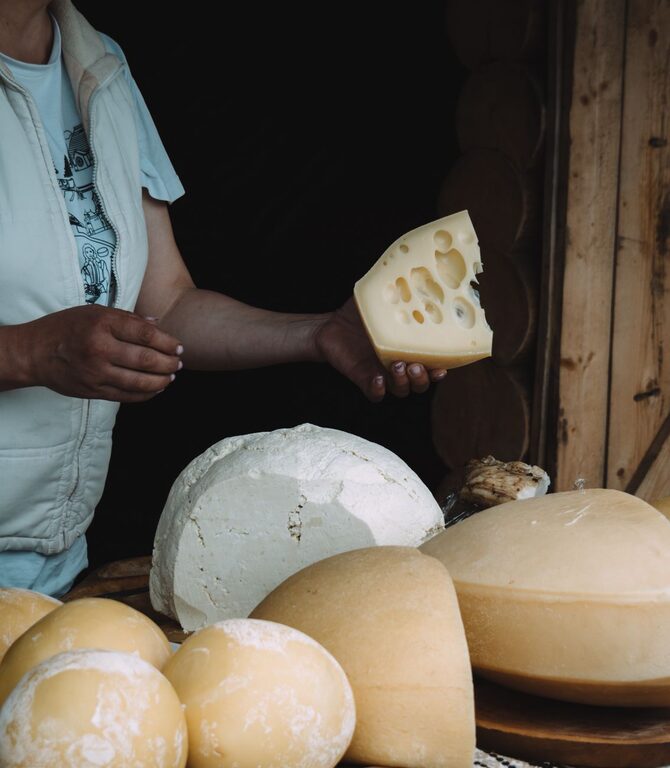
Regional food expos offer a window into the people, places, and traditions behind the foods we enjoy. At recent events, small cheesemakers have attracted attention with new artisan varieties that highlight local ingredients, careful production methods, and a spirit of experimentation.
From fresh cheeses blended with herbs to aged wheels shaped by regional climates, these producers are showing that small-scale cheesemaking can be both traditional and inventive. Their work also gives visitors a chance to meet the makers, learn how cheese is produced, and discover flavors that may not be found on ordinary grocery shelves.
A Growing Interest in Artisan Cheese
Artisan cheese is often made in small batches, with close attention given to ingredients, timing, and texture. While larger producers focus on consistency across a wide distribution area, small cheesemakers can respond quickly to seasonal changes and customer preferences.
This flexibility allows them to test new ideas, including:
– Cheese made with locally sourced milk
– Fresh varieties mixed with herbs or edible flowers
– Soft-ripened cheeses with distinctive outer coatings
– Firm cheeses aged for different lengths of time
– Limited releases tied to a season or local event
Regional food expos provide an ideal setting for these products. Visitors can compare different styles, ask questions, and sample cheeses alongside breads, fruit preserves, meats, and other local specialties.
New Varieties Reflect Local Character
One of the most noticeable trends at regional expos is the use of ingredients connected to a specific place. Cheesemakers may add honey from nearby apiaries, herbs grown on local farms, or peppers produced in the surrounding area. These additions create flavors that tell a story about the region.
A soft cheese might be blended with roasted garlic from a neighboring farm. A firm wheel could be rubbed with local cider during aging. Another producer may use a native herb to add a fresh, earthy note to a familiar cheese style.
These choices are not only about flavor. They also help build relationships among local food producers. A cheesemaker who works with nearby growers can create a product that supports several small businesses at once.
Seasonal Ingredients Add Variety
Seasonal ingredients are especially useful for small producers. They allow cheesemakers to release products that feel connected to a particular time of year.
Spring cheeses may feature fresh greens, chives, or mild flowers. Summer offerings often include fruit, peppers, or garden herbs. Fall varieties may be paired with apples, squash, or warming spices, while winter releases can focus on rich textures and longer aging periods.
Because these products may be available for only a short time, they often become popular with returning expo visitors who enjoy searching for something new each year.
Traditional Skills Meet Creative Ideas
Although many new artisan varieties appear modern, they often rely on long-established cheesemaking techniques. Producers still need to manage temperature, moisture, acidity, and aging conditions with care. Small changes in timing can affect a cheese’s texture and taste.
At food expos, cheesemakers frequently explain how a product moves from milk to finished wheel or wedge. They may discuss the cultures used to develop flavor, the process of shaping the curds, or the conditions needed for proper aging.
This educational side of the event helps visitors understand that artisan cheese is more than a finished product. It is the result of repeated decisions and careful observation.
Some makers also demonstrate how they balance tradition with experimentation. They may begin with a familiar recipe and alter one element, such as the aging period, rind treatment, or added ingredient. If the results are promising, the cheese may become part of a regular collection.
The Appeal of Small Batch Production
Small batch production gives cheesemakers room to focus on quality and identity. Rather than offering dozens of varieties, a small creamery may produce a carefully selected group of cheeses with different textures and flavor profiles.
This approach can make each product easier to recognize. A cheesemaker might become known for a creamy bloomy-rind cheese, a sharp aged cheddar-style wheel, or a fresh cheese with seasonal herbs.
Small batches also create opportunities for direct feedback. At an expo, producers can hear which flavors visitors enjoy, answer questions about serving ideas, and learn what customers want to see next. These conversations can influence future releases without removing the personal character of the business.
What Visitors Are Looking For
Expo visitors often arrive with different levels of cheese knowledge. Some are experienced enthusiasts searching for unusual aging styles, while others are simply looking for an approachable new favorite.
Many visitors are drawn to cheeses that offer:
– A clear connection to the local area
– A distinctive but balanced flavor
– An easy way to serve the cheese at home
– A story about the producer or ingredients
– A size or price that makes sampling simple
Cheesemakers help guide these choices by offering tastings and serving suggestions. A mild fresh cheese may be recommended for sandwiches or salads, while a stronger aged cheese could be paired with fruit, nuts, or hearty bread.
Building a Better Tasting Experience
Trying several cheeses at an expo can be enjoyable, but a little planning makes the experience even better. Visitors may want to start with fresh or mild varieties before moving toward stronger, aged options. This helps keep the more delicate flavors from being overwhelmed.
A simple tasting order might include:
- Fresh cheese
- Soft-ripened cheese
- Semi-firm cheese
- Aged cheese
- Blue or heavily seasoned cheese
Water and plain crackers can help refresh the palate between samples. Taking notes is also useful, especially when an event includes many producers and varieties.
Visitors should also ask about storage, serving temperature, and suggested pairings. A cheese that seems ordinary when cold may show more character after resting at room temperature for a short period.
Supporting Regional Food Communities
The popularity of small cheesemakers at regional expos reflects a broader interest in knowing where food comes from and how it is made. These events bring producers and customers together in a way that online shopping and standard retail displays cannot easily match.
Purchasing from a small creamery can support local employment, nearby farms, and regional food traditions. It can also encourage producers to continue developing new varieties and improving their methods.
For many cheesemakers, an expo is more than a sales opportunity. It is a place to build recognition, meet fellow producers, and introduce their work to people who may later visit a farm shop, join a cheese club, or seek out their products at local stores.
Looking Ahead
As regional food expos continue to grow, small cheesemakers are likely to keep experimenting with ingredients, aging methods, and presentation. Some new varieties may become permanent favorites, while others may remain limited releases that capture a particular season or location.
The most successful products often combine a strong sense of place with dependable craftsmanship. They offer something familiar enough to enjoy and something different enough to remember.
For visitors, that makes each expo an opportunity to taste beyond the usual selection. For cheesemakers, it provides a platform to share their work, gather ideas, and show how much creativity can come from a small creamery.
About the Author