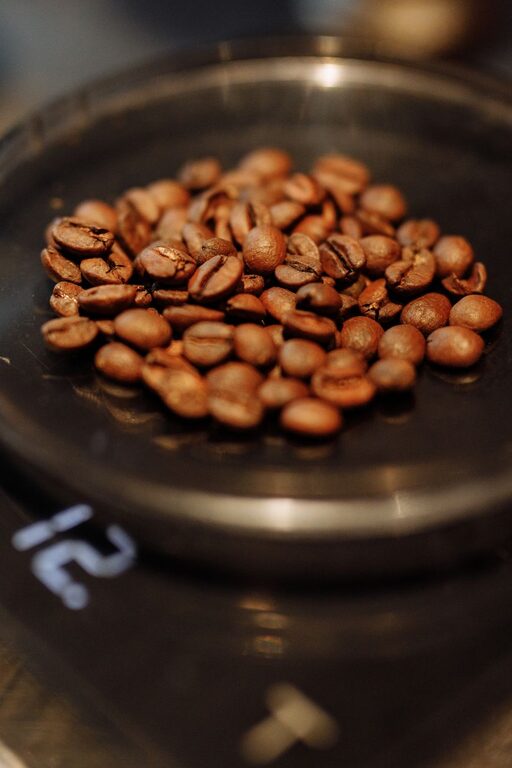
Specialty coffee roasters are introducing a new wave of single-origin releases for the season. These coffees come from specific farms, cooperatives, or regions, allowing drinkers to explore how climate, soil, altitude, and processing methods influence flavor.
The latest releases include bright and floral coffees, balanced chocolate-forward profiles, and fruit-driven selections. Whether brewed at home or enjoyed at a local café, seasonal single-origin coffees offer an easy way to discover new tastes and compare coffees from around the world.
What Makes a Coffee Single-Origin?
Single-origin coffee is sourced from one defined geographic area. Depending on the roaster and the information available from producers, that area may be a country, region, estate, farm, or cooperative.
This approach differs from a blend, which combines beans from multiple origins to create a consistent flavor profile. Single-origin coffees often highlight the qualities associated with a particular harvest and place.
Several factors shape the final cup:
– Growing region: Location affects temperature, rainfall, and soil conditions.
– Altitude: Higher elevations can contribute to slower cherry development and bright acidity.
– Coffee variety: Different varieties may bring distinct aromas, textures, and flavors.
– Processing method: Washed, natural, honey, and other methods influence sweetness and fruit character.
– Roasting style: The roast determines how the coffee’s natural qualities are presented.
Because these elements change from harvest to harvest, single-origin releases are often available for a limited time.
Seasonal Releases Highlight Fresh Harvests
Many specialty roasters plan their release calendars around coffee harvest seasons in producing countries. As new lots arrive, roasters evaluate samples, select coffees, and develop roast profiles that bring out their most appealing qualities.
A seasonal release may feature a coffee from a familiar country with a different flavor profile than previous offerings. For example, a coffee from a high-altitude area might taste crisp and citrusy in one harvest, while another lot from the same broader region could be sweeter and more floral.
Roasters also use seasonal releases to introduce less familiar origins. This gives customers an opportunity to learn about coffee-growing communities and discover areas they may not have tried before.
Flavor Profiles to Look For
The new releases arriving this season cover a wide range of flavors. While tasting notes are not added ingredients, they are descriptions used to communicate the aromas and flavors people may notice in the cup.
Bright and Floral Coffees
Lightly roasted coffees with floral notes may remind drinkers of jasmine, orange blossom, or fresh tea. These coffees often have a lively acidity and a clean finish.
They can be especially enjoyable when brewed with a pour-over method, which emphasizes aroma and clarity.
Fruit-Forward Coffees
Natural and honey-processed coffees often feature fruit-like notes. Depending on the coffee, those notes may suggest berries, stone fruit, tropical fruit, or dried fruit.
These coffees can have a rounder body and noticeable sweetness. They are a popular choice for drinkers who enjoy expressive, aromatic cups.
Chocolate and Caramel Profiles
Some seasonal single-origin coffees offer familiar flavors such as cocoa, caramel, brown sugar, and toasted nuts. These coffees tend to be balanced and approachable, making them a good choice for everyday brewing.
They may work well in a drip machine, French press, or espresso setup. Their fuller body can also pair nicely with milk.
Crisp and Citrus-Led Coffees
Coffees with lemon, lime, apple, or stone-fruit notes often have a refreshing character. A bright cup may taste especially clean when brewed with filtered water and served warm or lightly cooled.
These coffees are a useful way to explore the role of acidity in coffee without relying on dark roast flavors.
How Roasters Prepare a New Release
Before a coffee reaches customers, roasters typically assess its green beans, roast small test batches, and taste the results. This process helps them choose a roast profile suited to the coffee’s density, moisture, processing method, and intended use.
A roaster may offer the same coffee in different formats, such as whole bean, ground coffee, or espresso roast. Packaging often includes information about the origin, processing method, harvest, and recommended brewing approach.
Many roasters also share producer details and sourcing information. These notes can help customers understand where the coffee came from and why the roaster selected it.
Brewing Tips for Seasonal Single-Origin Coffee
A few simple adjustments can help reveal the character of a new coffee.
- **Start with fresh beans.** Store coffee in an airtight container away from heat, light, and moisture.
- **Grind just before brewing.** A fresh grind usually preserves more aroma than pre-ground coffee.
- **Use clean water.** Water quality can affect both flavor and balance.
- **Follow a basic recipe.** Begin with the roaster’s suggested ratio and brewing time.
- **Taste as the coffee cools.** Some flavors become easier to notice after the cup is no longer very hot.
- **Make one change at a time.** Adjust the grind, water temperature, or brew time gradually.
If the coffee tastes sharp or underdeveloped, a finer grind or longer brew time may help. If it tastes bitter or dry, a coarser grind or shorter brew time may produce a smoother result.
Choosing the Right Release
With many options available, shoppers can use flavor preferences as a starting point.
Choose a floral or citrus-led coffee if you enjoy tea-like cups with bright acidity. Select a fruit-forward coffee if you prefer pronounced sweetness and a lively aroma. A chocolate or nutty coffee may be a better fit for familiar flavors and a fuller body.
It can also help to consider the brewing equipment at home. Pour-over brewers often emphasize clarity, while French presses bring out body and texture. Espresso machines can showcase sweetness and intensity, especially when the roast has been developed for that purpose.
For those who enjoy comparing coffees, buying smaller bags from several origins can turn a seasonal release into a tasting experience. Brewing them side by side makes differences in aroma, acidity, sweetness, and finish easier to notice.
A Fresh Way to Explore Coffee
Seasonal single-origin releases give specialty coffee drinkers a chance to connect flavor with place and harvest. Each coffee offers a different combination of variety, processing, roasting, and brewing possibilities.
As roasters introduce new selections, customers can look beyond familiar labels and try something unexpected. A new bag may reveal a delicate floral aroma, a bright fruit note, or a comforting chocolate finish.
The best approach is simple: choose a profile that sounds appealing, brew it carefully, and pay attention to how the cup changes as it cools. With each seasonal release, there is another opportunity to learn, compare, and enjoy coffee in a new way.
About the Author