
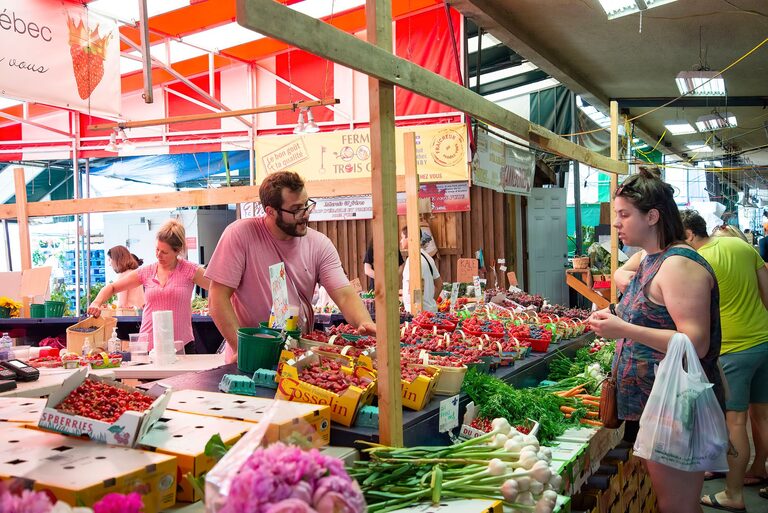
Evening Markets Fit Modern Schedules
Farmers’ markets have traditionally operated in the morning, often beginning at sunrise and closing around lunchtime. That schedule works well for early shoppers, but it can be difficult for people who work during the day, care for children, or have long commutes.
To meet growing interest in fresh, locally grown food, more markets are adding evening hours. Some are extending their regular schedule by a few hours, while others are creating separate weekday events after work. These changes give more shoppers a chance to buy fruits, vegetables, baked goods, prepared foods, flowers, and other products directly from local vendors.
Evening hours can also change the atmosphere of a market. Instead of a quick morning shopping trip, the event may become a relaxed community gathering where people shop, eat, listen to music, and spend time with friends.
Why Shoppers Are Asking for Later Hours
Convenience is one of the main reasons shoppers prefer evening markets. A later opening gives customers more flexibility and helps them fit local shopping into busy routines.
Common reasons for the shift include:
– Work schedules: People who finish work in the afternoon can visit without taking time off.
– School and family commitments: Parents and caregivers may find it easier to shop after school activities.
– Transportation needs: Some shoppers have better access to public transportation later in the day.
– Fresh dinner ingredients: Customers can purchase produce closer to mealtime.
– Community activities: Evening markets often provide space for social events and entertainment.
Later hours may also make farmers’ markets more welcoming to people who have never visited one. Shoppers who assumed markets were only for early risers can now explore them at a more convenient time.
Benefits for Farmers and Other Vendors
Extended hours can create new sales opportunities for vendors. Farmers may reach customers who do not usually attend morning markets, while food producers can serve visitors looking for a snack, dessert, or easy dinner option.
A broader customer base may help vendors:
– Sell more of their seasonal inventory
– Build relationships with new customers
– Test new products and package sizes
– Receive feedback during a different part of the day
– Create regular customers who return throughout the season
Evening markets can be especially useful for vendors selling ready-to-eat foods. Prepared meals, bread, cheese, drinks, and desserts may attract shoppers who are heading home and want a convenient option.
However, later hours also require planning. Farmers and vendors may need to adjust harvesting, packing, transportation, staffing, and rest schedules. A market that runs into the evening can be successful when organizers and vendors agree on hours that are practical for everyone.
How Markets Are Designing Evening Events
Not every market follows the same model. Some simply extend their existing hours, while others create a weekly evening market with its own format.
Extended Regular Hours
A market may open one or two hours later on selected days. This approach is simple for vendors and familiar to regular shoppers. It can work well in areas where customers already visit the market but need more time after work.
Weekday Evening Markets
Some communities schedule a market on a weekday afternoon or evening. These events may be held in a town center, public plaza, school area, or parking lot. A weekday schedule can make the market part of the local routine rather than a weekend-only activity.
Seasonal Night Markets
A seasonal evening market may operate during the warmer months when daylight lasts longer. These events often include music, food trucks, craft vendors, children’s activities, or demonstrations. The additional programming can encourage visitors to stay longer.
Online Ordering and Pickup
Some markets combine evening hours with online ordering. Customers select products in advance and pick them up during a designated time. This option can reduce wait times and help vendors prepare orders more efficiently.
What Shoppers Can Expect
Evening markets may offer many of the same products found at morning events, but availability can vary. Popular fruits, vegetables, breads, and prepared foods may sell out earlier in the day.
Shoppers can make the most of an evening visit by following a few simple tips:
- **Check the schedule first.** Market hours may change because of weather, holidays, or seasonal conditions.
- **Bring reusable bags.** A sturdy bag makes it easier to carry produce and other goods.
- **Carry several payment options.** Many vendors accept cards or digital payments, but some may prefer cash.
- **Arrive earlier for the widest selection.** Later hours are convenient, but popular products may be limited.
- **Bring a cooler when needed.** Dairy products, meat, and other perishable foods may need to stay chilled.
- **Ask about growing and storage methods.** Vendors can often explain how to use, store, and prepare unfamiliar produce.
- **Leave time to explore.** Evening markets may include seasonal activities and local food stands.
It is also helpful to bring a shopping list while remaining open to substitutions. Availability depends on the season, weather, and harvest conditions, so a flexible plan can make shopping easier.
Keeping Fresh Produce in Good Condition
Fresh produce can be sensitive to heat, sunlight, and handling. Shoppers who visit after work may carry groceries for some time before returning home.
To protect food quality:
– Keep delicate produce out of direct sunlight.
– Separate items that can bruise easily.
– Place leafy greens and berries in a cool location.
– Avoid leaving perishable items in a hot vehicle.
– Refrigerate products as soon as possible.
– Follow vendor instructions for storage and use.
Many market vendors are happy to explain how long a product should last and whether it belongs in the refrigerator, on the counter, or in a dry pantry.
Evening Markets Strengthen Local Connections
A farmers’ market is more than a place to purchase food. It can connect residents with growers, bakers, cooks, and other small businesses in the area. Evening hours create additional opportunities for those connections to develop.
Markets may invite local groups to host demonstrations, offer gardening information, or organize family activities. Musicians and community organizations may also participate. These additions can turn a regular shopping trip into a neighborhood event.
For local businesses near the market, evening activity may bring more visitors to nearby restaurants, shops, and public spaces. A busier area can encourage people to combine errands, dining, and entertainment in one trip.
Planning for a Successful Evening Market
Organizers must consider several practical details when adding later hours. Lighting, parking, transportation, security, waste collection, and weather plans all become important after sunset or during changing conditions.
Successful evening markets often focus on:
– Clear signs showing opening and closing times
– Safe, well-lit walkways
– Convenient access to parking or public transportation
– A reliable schedule that customers can remember
– Shade, seating, or shelter where appropriate
– Communication with vendors about expected attendance
– Information shared through websites, newsletters, and social media
A gradual approach can help. Organizers may begin with one evening per month, review attendance and vendor feedback, and then decide whether to add more dates.
A Flexible Future for Farmers’ Markets
Adding evening hours gives farmers’ markets a practical way to serve more people without changing their central purpose. Shoppers gain convenient access to seasonal products, vendors reach new customers, and communities receive another opportunity to gather locally.
As markets continue testing different schedules, evening shopping may become a regular part of the local food experience. Whether visitors stop by for a basket of vegetables, a prepared meal, or a conversation with a grower, later hours make fresh produce easier to fit into everyday life.
About the Author