Hotel restaurants are taking a fresh look at their menus by working more closely with nearby farms. Instead of relying on the same ingredients throughout the year, many properties are adding dishes that reflect what local growers are harvesting right now.
This approach brings variety to hotel dining while giving guests a closer connection to the region they are visiting. It can also help chefs create menus that feel more timely, colorful, and connected to the seasons.
Why Seasonal Menus Are Gaining Attention
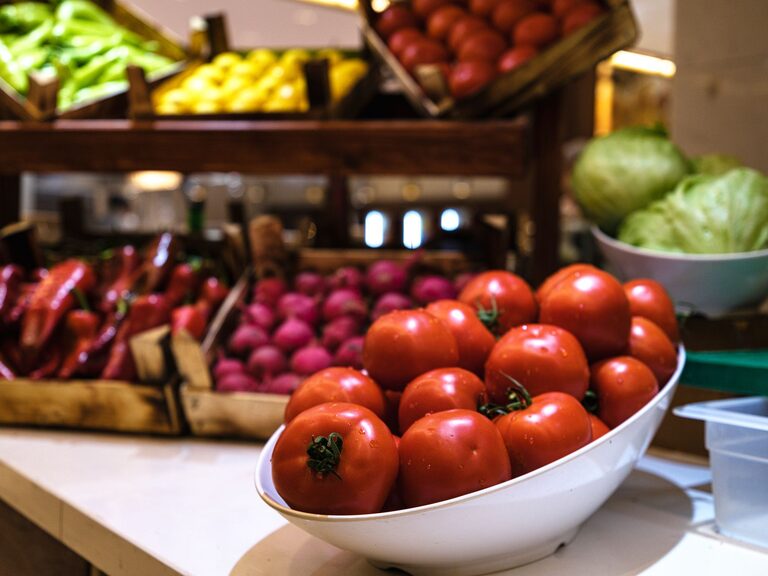
A seasonal menu changes throughout the year based on the availability of fresh ingredients. In spring, a restaurant might feature asparagus, peas, leafy greens, and strawberries. Summer menus may highlight tomatoes, corn, peppers, melons, and stone fruit. Fall often brings squash, apples, root vegetables, and hearty greens.
For hotel restaurants, seasonal cooking offers several benefits:
– It adds variety for returning guests.
– It gives chefs more opportunities to test new recipes.
– It helps showcase the character of the surrounding area.
– It creates menu updates that keep dining experiences interesting.
– It supports relationships with nearby farms and food producers.
Guests may also appreciate knowing where their food comes from. A simple note on a menu or a conversation with a server can explain which farm grew the vegetables or harvested the herbs used in a dish.
Building Relationships With Nearby Farms
Successful farm-to-hotel programs usually begin with communication. Chefs and purchasing teams may visit local farms, attend growers markets, or contact agricultural groups to learn what is available throughout the year.
Farmers can provide details about planting schedules, expected harvest dates, and available quantities. This information allows hotel kitchens to plan menus with greater flexibility.
These relationships can take different forms. A hotel may buy produce directly from one nearby farm, work with several growers, or partner with a local food distributor that gathers products from multiple farms. The best approach depends on the hotel’s size, location, storage space, and menu needs.
Regular communication is important because farm production can change with weather and growing conditions. Chefs may need to adjust a dish when a crop arrives early, is delayed, or becomes available in smaller quantities than expected.
Designing Menus Around the Harvest
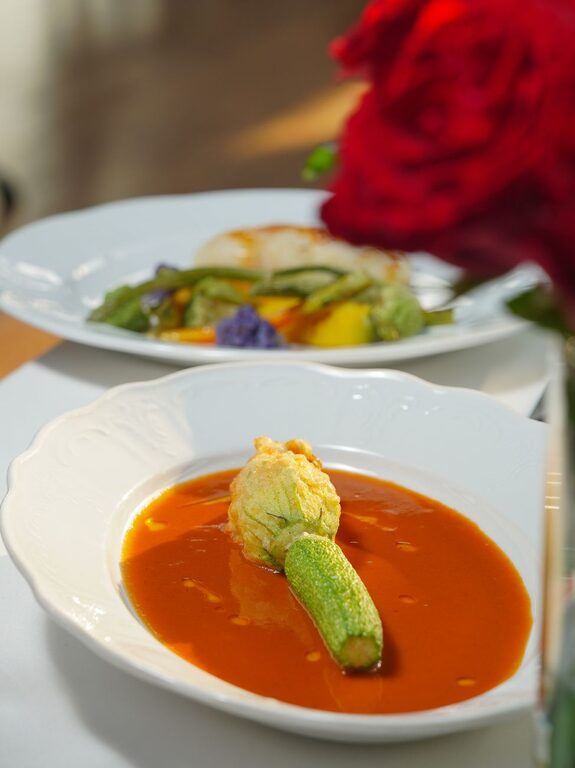
When chefs begin with seasonal produce, they often build dishes around the ingredient rather than treating it as a small addition. A farm’s fresh peaches might become the focus of a salad, while local squash could appear in a soup, side dish, or main course.
This process encourages creativity. Chefs can use familiar cooking techniques in new ways, such as:
– Roasting root vegetables with fresh herbs
– Adding grilled peaches to a breakfast or dessert menu
– Serving local tomatoes with house made dressings
– Turning surplus greens into sauces or garnishes
– Preserving berries for use after the harvest season
Seasonal menu planning may also lead to smaller menus. Rather than offering a long list of dishes that depend on ingredients from many locations, a restaurant can focus on fewer options that change more often.
This does not mean every item must change weekly. Some hotels keep popular signature dishes year-round while updating side dishes, specials, or seasonal features. This balance gives guests familiar choices while still making room for new flavors.
Seasonal Produce Across Hotel Dining Areas
Farm fresh ingredients are not limited to the main restaurant. Hotels can use them throughout the property, creating a consistent dining experience for guests.
Breakfast Service
Breakfast menus may include local berries, apples, eggs, yogurt, herbs, and vegetables. Fresh produce can be added to omelets, grain bowls, pancakes, smoothies, and baked goods.
A hotel may also place seasonal fruit on a buffet or offer a rotating house made jam. These small details can make breakfast feel more distinctive without requiring a complete menu redesign.
Room Service
Room service dishes need to travel well and remain appealing after a short wait. Seasonal ingredients can be included in salads, sandwiches, soups, and simple entrees that hold their quality during delivery.
Restaurants may also use local produce in welcome snacks or small treats placed in guest rooms.
Bars and Lounges
Hotel bars can feature seasonal fruits, herbs, and vegetables in nonalcoholic drinks, fresh juices, and house made garnishes. Cucumber, mint, citrus, berries, and stone fruit can add color and flavor to beverages.
These ingredients can also support a rotating selection of refreshing drinks that reflect the time of year.
Events and Banquets
Meetings, weddings, and other events often require large quantities of food. Seasonal menus can help event planners offer guests a stronger sense of place.
A banquet menu might include locally grown vegetables, seasonal salads, fresh fruit desserts, or regional ingredients prepared in a simple style. Hotels may list the farms or growers involved in the menu as part of the event materials.
Managing Seasonal Supply
Working with local farms requires planning. Produce may not always be available in the same amounts or sizes that a hotel needs. To manage these changes, kitchens often use several practical strategies.
First, chefs can create flexible menu descriptions. Instead of promising a specific variety of produce, a menu might describe a dish as “seasonal roasted vegetables” or “local fruit with house made yogurt.” This allows the kitchen to use the best available ingredients.
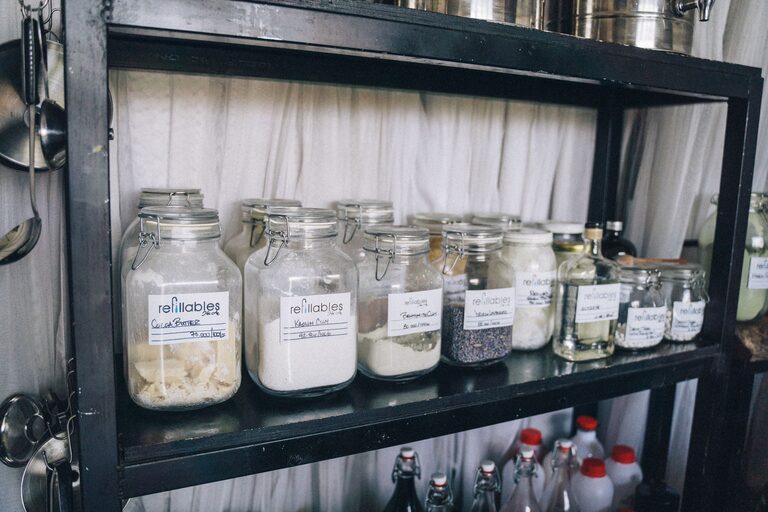
Second, hotels can preserve some produce through freezing, pickling, drying, or canning. These methods extend the usefulness of a harvest and add variety to menus during colder months.
Third, restaurants can maintain more than one supplier. A primary farm may provide most of the produce, while another local grower or distributor supplies backup items when needed.
Good storage and inventory management are also essential. Fresh ingredients often have a short shelf life, so kitchens must track deliveries carefully and plan recipes that use produce before it loses quality.
Helping Guests Discover Local Food
Hotels can make seasonal dining more engaging by sharing the story behind the ingredients. Menus may include the names of farms, the growing region, or a brief note about the harvest.
Some properties invite farmers to meet guests, host tasting events, or lead visits to nearby fields. Others offer cooking demonstrations focused on seasonal produce.
Clear, accurate information is important. Restaurants should describe local sourcing honestly and avoid making broad claims that could confuse guests. A simple statement about where an ingredient came from can be more useful than a long explanation.
A More Personal Hotel Dining Experience
Seasonal produce gives hotel restaurants a way to make dining feel connected to time and place. A guest visiting in early summer may remember a tomato salad made with produce from a nearby farm, while a fall visitor may enjoy an apple dessert tied to the local harvest.
For chefs, these menus provide room to adapt and experiment. For farmers, hotel partnerships can create another outlet for their crops. For guests, the result is often a meal that feels fresher, more distinctive, and more connected to the destination.
As more hotels build relationships with nearby growers, seasonal produce is becoming an important part of the modern dining experience. The menus may change with the harvest, but the goal remains consistent: serve thoughtful food that reflects the best ingredients available close to home.
About the Author