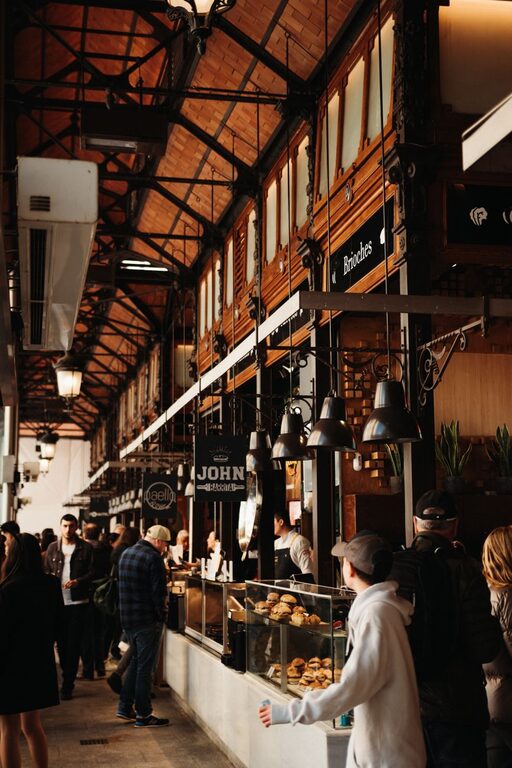
Food halls are becoming lively launchpads for emerging food vendors. Instead of committing to a full restaurant, cooks and small teams can introduce their ideas in a shared dining space with built-in foot traffic, communal seating, and a variety of customers.
This format is especially well suited to innovative street food. Vendors can serve familiar favorites with new flavors, experiment with international influences, and adjust their menus based on direct customer feedback. For diners, food halls offer a convenient way to try several independent concepts in one visit.
Why Food Halls Attract Emerging Vendors
Opening a traditional restaurant often requires a large investment, a long lease, extensive equipment, and a fully developed menu. Food halls can provide a more flexible starting point.
Many food halls offer shared amenities such as seating areas, restrooms, cleaning services, and sometimes storage or preparation facilities. These features can reduce some of the practical challenges that come with opening a standalone location.
Food halls also give vendors access to an audience that may already be looking for something new. Visitors often arrive with the goal of exploring different dishes, which creates a welcoming environment for less familiar concepts.
For emerging vendors, the benefits may include:
– Lower startup costs than a full restaurant
– Access to steady customer traffic
– Opportunities to test new menu items
– Shared dining and service areas
– Immediate feedback from local diners
– A chance to build brand recognition
This combination allows small food businesses to focus on their recipes, service, and customer experience while learning how their concept performs in a busy setting.
Street Food Is Built for Food Hall Dining
Street food has always been connected to convenience, creativity, and strong flavors. These qualities make it a natural fit for food halls, where diners often want meals that are easy to order, quick to receive, and enjoyable in a casual setting.
Popular street food formats can be adapted in many ways. A vendor might serve stuffed flatbreads with seasonal fillings, crispy snacks with house-made sauces, grilled skewers, loaded fries, handheld wraps, or bowls inspired by regional cooking traditions.
The goal is not simply to make food unusual. Successful vendors often start with a recognizable format and add a thoughtful twist. This gives customers a point of reference while still offering something distinct.
For example, a vendor may take a familiar fried chicken sandwich and add a bright herb sauce, pickled vegetables, or a spice blend inspired by another culinary tradition. Another might turn a classic taco into a rotating menu item built around local produce.
Small Menus Encourage Better Experimentation
Emerging vendors often benefit from keeping their menus focused. A short menu can make operations easier, reduce food waste, and help a small team maintain consistent quality during busy periods.
A focused menu also makes experimentation more manageable. Instead of changing every dish at once, a vendor can introduce one special item or seasonal feature and observe how customers respond.
A practical street food menu may include:
– Two or three signature dishes
– A vegetarian or plant based option
– One rotating special
– A small selection of sides
– A simple dessert or drink pairing
Rotating specials can create excitement without overwhelming the kitchen. They also give chefs a way to work with seasonal ingredients and respond to customer preferences.
How Vendors Use Customer Feedback
One of the biggest advantages of operating in a food hall is the opportunity to speak directly with diners. Customers may offer comments about portion sizes, spice levels, ingredients, presentation, or ordering speed.
This feedback can help vendors refine their menus quickly. A sauce may be adjusted to suit a wider range of tastes. A dish that takes too long to prepare may be simplified. A popular special may become a permanent menu item.
Vendors can gather useful insights by:
– Asking customers what they enjoyed most
– Tracking which dishes sell throughout the day
– Noting common requests or substitutions
– Reviewing online comments
– Testing limited time menu items
– Watching how customers move through the ordering process
The most helpful feedback often comes from combining customer opinions with sales patterns. A dish may receive enthusiastic comments but take too long to prepare. Another item may sell well because it is easy to share. Both details can guide future decisions.
Bringing Global Inspiration to the Menu
Food halls often attract customers who enjoy discovering new flavors. This creates room for vendors to draw inspiration from different food traditions while presenting dishes in an approachable way.
Strong menus usually provide context and respect for the ingredients and techniques that inspire them. Clear descriptions can help diners understand what they are ordering without making the menu difficult to read.
Vendors can introduce global flavors through:
– Regional spice blends
– Traditional cooking methods
– Pickled or fermented toppings
– House-made sauces
– Distinctive breads and noodles
– Seasonal ingredients paired with classic preparations
A dish does not need a long explanation to feel original. A few well-chosen ingredients can create a memorable combination while keeping the menu accessible.
Designing Food for Shared Spaces
Food hall dining is often social. Customers may sit with friends, join a shared table, or order dishes from several vendors. This makes portability and presentation important parts of the experience.
Street food dishes should be easy to carry and comfortable to eat in a casual environment. Packaging needs to protect the food while allowing customers to enjoy it without a complicated setup.
Useful design choices include:
– Sturdy containers that prevent spills
– Portions that are easy to share
– Clear labels for sauces and toppings
– Simple utensils when needed
– Packaging that keeps hot and cold items separate
Presentation also matters. Colorful toppings, carefully arranged ingredients, and recognizable branding can make a dish more inviting. Customers often photograph memorable meals, giving vendors an additional way to gain attention through social sharing.
Building a Distinct Vendor Identity
In a busy food hall, each vendor needs a clear identity. The food, name, menu design, counter display, and service style should work together to communicate what makes the concept special.
A strong identity does not require an elaborate theme. It may come from a signature sauce, a memorable color palette, a specific cooking style, or a clear connection to the vendor’s story.
Consistency is important. When customers enjoy a dish, they should be able to recognize the vendor and find it again. Simple branding across menus, packaging, signs, and social media can help create that connection.
What Diners Can Expect Next
As more food halls welcome emerging vendors, diners can expect menus that change often and reflect a wide range of ideas. Limited time dishes, seasonal ingredients, and collaborative pop ups may become regular features.
This environment benefits both sides. Vendors gain a practical space to develop their businesses, while customers receive more variety and more opportunities to discover independent food makers.
For anyone visiting a food hall, the best approach is to stay curious. Try a signature dish, ask about a special, and consider sharing several smaller items with friends. Every order supports a growing vendor and helps shape the future of the food hall experience.
About the Author