A New Era of Chef Led Casual Dining
For years, award winning chefs were closely associated with formal dining rooms, tasting menus, and highly detailed service. Today, many of these culinary leaders are taking their skills in a more relaxed direction. They are opening casual restaurants designed for everyday meals, quick visits, and repeat customers.
These new concepts are appearing in major food cities such as New York, Los Angeles, Chicago, San Francisco, New Orleans, and Austin. While each restaurant has its own personality, many share the same goal: deliver thoughtful food in a comfortable setting without the formality of fine dining.
The result is a restaurant category that combines professional technique with an easygoing atmosphere.
Why Chefs Are Moving Into Casual Concepts
Several factors are encouraging established chefs to explore more approachable formats.
A Wider Audience
Fine dining can be a special occasion experience, but it is not always part of a person’s weekly routine. Casual restaurants allow chefs to connect with a much broader audience. Guests may be able to stop in for a sandwich, bowl, pizza, plate of pasta, or shared meal without planning weeks in advance.
This wider reach also gives chefs an opportunity to introduce new customers to their cooking style. Someone who may not book a formal tasting menu might be happy to visit a neighborhood restaurant created by the same chef.
More Flexible Menus
Casual dining gives chefs room to create menus that change with the day, season, and local supply. Instead of presenting a long sequence of courses, they can focus on a shorter list of carefully prepared dishes.
Many menus include a balance of familiar favorites and more creative options, such as:
– House-made sandwiches with seasonal fillings
– Handmade pasta and simple sauces
– Wood-fired vegetables and meats
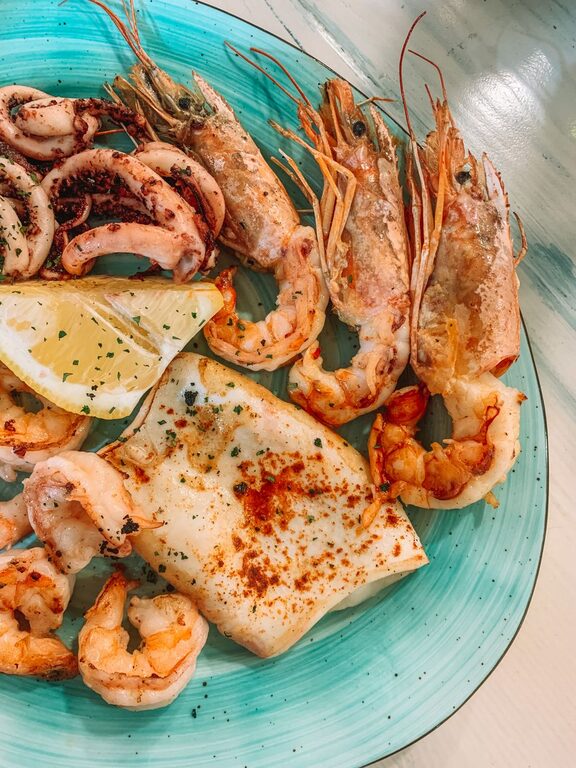
– Fresh seafood served in casual formats
– Shared plates for groups
– Desserts inspired by classic comfort foods
This approach often makes the food easier to understand while still showing the chef’s point of view.
A More Relaxed Work Environment
The pace and atmosphere of a casual restaurant can be different from those of a formal dining room. Shorter menus, simpler service, and a lively setting may create a more flexible experience for both guests and staff.
That does not mean the cooking is less ambitious. In many cases, the same attention to ingredients, preparation, and consistency remains behind the scenes. The difference is that the experience feels less ceremonial.
What Makes These Restaurants Stand Out
Award winning chefs often bring several recognizable qualities to their casual concepts.
Familiar Food With a Distinctive Touch
The strongest restaurants usually begin with dishes people already know. A burger, roast chicken, noodle bowl, or slice of pie can become memorable through careful seasoning, high quality ingredients, or an unexpected combination of flavors.
The goal is not always to reinvent a dish. Often, it is to make a familiar meal feel especially well considered.
For example, a chef may use a traditional cooking method but add a regional ingredient. Another may focus on homemade bread, house sauces, or a carefully selected topping. These details can give a simple dish a clear identity.
High Quality Ingredients
Casual dining does not require expensive ingredients, but it benefits from fresh and well sourced products. Chefs may work with nearby farms, fishers, bakers, and specialty producers to build a menu around what is available.
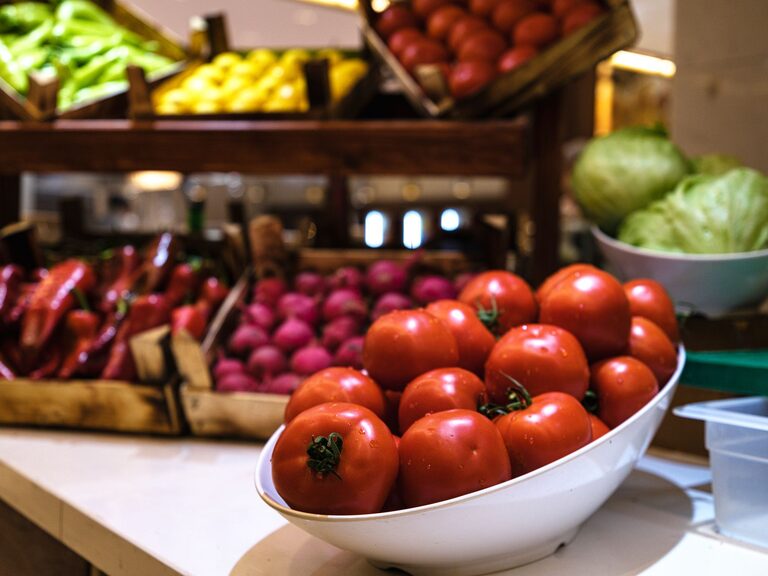
Seasonal cooking can also help keep menus interesting. A restaurant might highlight tomatoes and stone fruit in the summer, root vegetables in the winter, or local seafood throughout the year.
When ingredients are handled well, even a straightforward dish can feel complete and satisfying.
Thoughtful Design
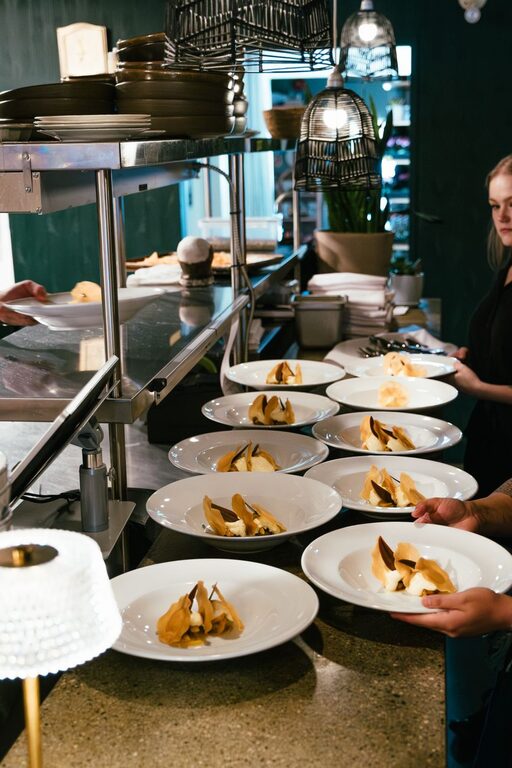
The dining room often reflects the restaurant’s informal purpose. Many chef led casual concepts use open kitchens, counter seating, shared tables, bright colors, or simple materials. The design may feel energetic rather than exclusive.
Music, lighting, service style, and menu layout all contribute to the experience. A restaurant can feel polished without becoming formal, giving guests a place that works for lunch, a quick dinner, or a relaxed gathering.
How Major Food Cities Shape the Experience
Each food city brings its own traditions, customers, and ingredients to these new restaurant concepts.
New York City
New York’s crowded dining scene rewards restaurants with a clear identity. Casual chef led concepts may focus on regional specialties, creative sandwiches, neighborhood staples, or compact menus that suit busy city routines.
Los Angeles
In Los Angeles, casual dining often reflects the city’s broad cultural influences. Menus may combine seasonal California ingredients with flavors and techniques from around the world. Outdoor seating and daytime service are also common parts of the experience.
Chicago
Chicago has a strong tradition of hearty, comforting food, making it a natural home for chef driven casual restaurants. New concepts may offer updated versions of classic dishes alongside contemporary plates and shared meals.
San Francisco
San Francisco restaurants often emphasize local produce, careful sourcing, and seasonal menus. Casual concepts in the city may highlight vegetables, naturally fermented foods, seafood, and regional ingredients in simple presentations.
New Orleans and Austin
In cities such as New Orleans and Austin, local food traditions play a major role. Chefs may build casual restaurants around barbecue, seafood, spice driven dishes, or regional comfort food while adding their own style.
These examples show that casual dining is not one fixed format. It changes according to the city and the community it serves.
What Guests Can Expect
A chef led casual restaurant may offer several advantages for diners:
– A more comfortable and approachable atmosphere
– Shorter menus that are easy to navigate
– Prices that fit more types of occasions
– Faster service than a traditional tasting menu
– Dishes suitable for sharing
– More opportunities to return and try something new
– A direct connection to a chef’s signature style
Some restaurants also offer counter ordering, walk in seating, takeout, or all day service. These features make the concept more adaptable to everyday schedules.
Still, casual does not always mean inexpensive or quick. Some chef led restaurants use premium ingredients or detailed preparation, so guests should check menus and service information before visiting.
The Importance of Consistency
Opening a casual restaurant can be challenging because guests may visit frequently and expect the same quality each time. A special occasion restaurant might host one table for several hours, while a neighborhood concept may serve hundreds of guests throughout the day.
Consistency depends on clear recipes, strong training, organized kitchens, and dependable ingredients. The restaurant must also maintain its personality as it grows. A menu that is too complicated can slow service, while one that is too simple may fail to show what makes the concept special.
The most successful restaurants usually find a balance between creativity and reliability.
A More Accessible Path Into Fine Cooking
The rise of award winning chefs in casual dining reflects a broader interest in food that is both creative and approachable. Guests want memorable meals, but they also value comfort, flexibility, and a welcoming environment.
For chefs, these restaurants offer a way to share their ideas beyond the formal dining room. For diners, they create more opportunities to experience skilled cooking in everyday settings.
Whether the concept centers on pizza, noodles, grilled meats, vegetables, or sandwiches, the appeal is easy to understand. These restaurants bring professional culinary experience to food that people already enjoy, making great cooking feel less distant and more connected to daily life.
About the Author